Healthspan vs. Lifespan Supplements: What the Latest Science Really Shows
The supplement industry promises to extend both how long we live and how well we live. Recent scientific reviews separate fact from marketing hype, revealing which ingredients have genuine evidence behind claims to improve healthspan and lifespan.
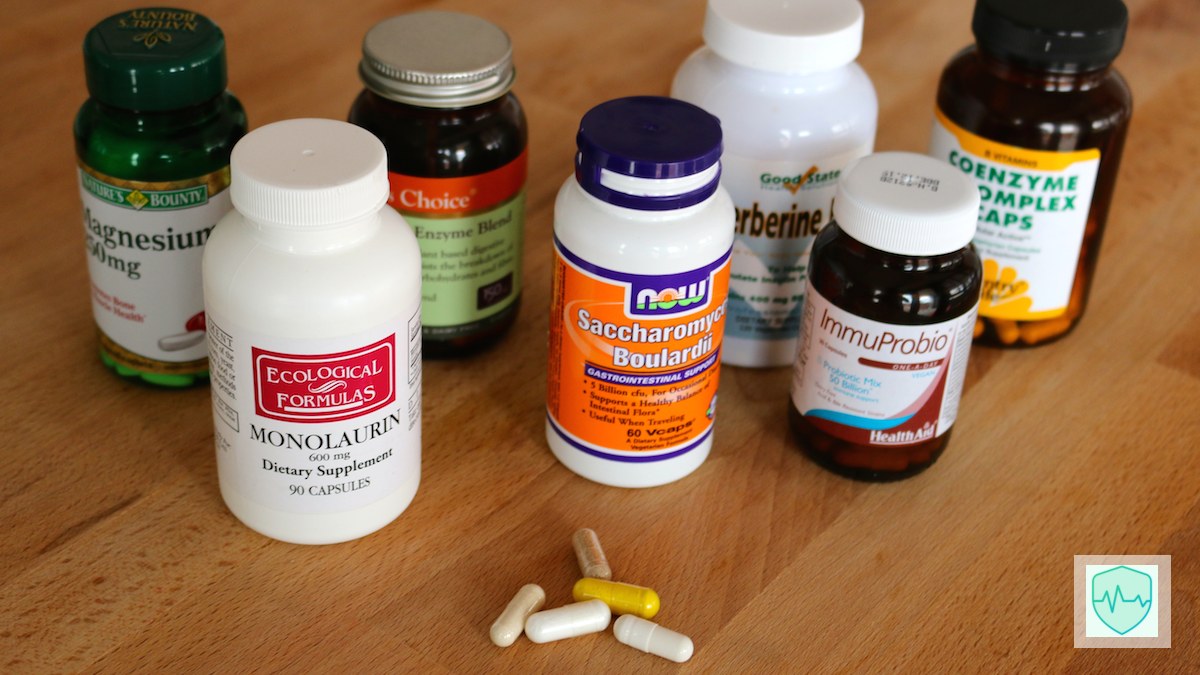
The distinction between lifespan and healthspan has become central to modern longevity science. Lifespan refers to total years lived, while healthspan describes the number of years spent in good health—free from chronic disease, cognitive decline, and functional limitation. As wearable technology users increasingly track biomarkers and seek to optimize their health metrics, understanding which supplements actually support these twin goals has never been more relevant. Recent scientific syntheses examining popular longevity supplements reveal a landscape far more nuanced than marketing materials suggest.
The supplement market has exploded with products claiming to extend lifespan or compress morbidity—the period of illness and decline at life's end. Common candidates include NAD+ boosters (nicotinamide riboside, NMN), senolytics (compounds that clear senescent cells), resveratrol, metformin, rapamycin, and various plant polyphenols. Each has generated excitement in research circles, yet translating animal studies and mechanistic evidence into reliable human outcomes remains challenging. Current scientific reviews highlight that while many compounds show promise in cellular and rodent models, robust human clinical trials demonstrating lifespan extension are extraordinarily rare. This gap between laboratory potential and real-world efficacy is where consumers and practitioners must exercise critical thinking.
What Science Currently Supports
- NAD+ precursors: Show improvements in mitochondrial function and metabolic markers in some human trials, but long-term lifespan data remains absent
- Metformin: Demonstrates cardiovascular and metabolic benefits in diabetic populations; longevity trials in non-diabetics are ongoing but not yet conclusive
- Polyphenols (resveratrol, quercetin, EGCG): Exhibit antioxidant and anti-inflammatory effects in controlled settings; whole-food sources consistently show stronger associations with healthy aging than isolated supplements
- Senolytics: Early-stage human trials underway; cellular evidence compelling but human healthspan data limited
For wearable users tracking heart rate variability, resting metabolic rate, activity levels, and sleep quality, the practical takeaway is this: supplements may modulate the biomarkers your device measures, but modifying a number does not automatically translate to living longer or better. A supplement that temporarily improves HRV or reduces inflammation on a blood test may still lack evidence for meaningful lifespan extension. The scientific consensus increasingly emphasizes that foundational lifestyle factors—consistent exercise, sleep quality, stress management, and whole-food nutrition—deliver far more predictable and substantial returns than any single supplement. Supplements should be viewed as potential adjuncts to these fundamentals, never replacements.
Several critical caveats deserve emphasis. First, most human longevity supplement studies are small, short-term, and conducted in select populations (often healthy volunteers or those with specific diseases). Results do not automatically generalize. Second, the supplement industry faces minimal pre-market regulation compared to pharmaceuticals; quality control, dosing accuracy, and contamination vary widely. Third, individual genetics, existing health status, medications, and microbiome composition all influence how someone responds to a given supplement—one person's longevity enhancer may be another's wasted expense or even source of harm. Fourth, the most rigorous longevity science often comes from studies of caloric restriction, time-restricted eating, and exercise—interventions that cost nothing and require no pills.
If you are using a wearable device and considering supplements to optimize healthspan and lifespan, adopt a evidence-first mindset. Prioritize interventions with human trial data over those supported only by mechanistic plausibility. Track your own biomarkers before and after supplementation to assess whether changes occur in your particular physiology. Consult qualified healthcare providers rather than relying on marketing claims or anecdotal social media reports. Most importantly, remember that the supplements showing the strongest scientific support for aging—whole-food polyphenols from berries, green tea, and colorful vegetables—are rarely sold as expensive pills. The unsexy truth of longevity science is that consistent adherence to basics beats any shortcut.
Source: NutraIngredients.com