Can Daily Blueberries Improve Mood? New Research Explores the Gut-Brain Connection
A pilot study suggests that consuming blueberries daily may influence gut bacteria and mood in older adults, with participants showing subtle shifts in microbial enzyme activity linked to neurotransmitter production.
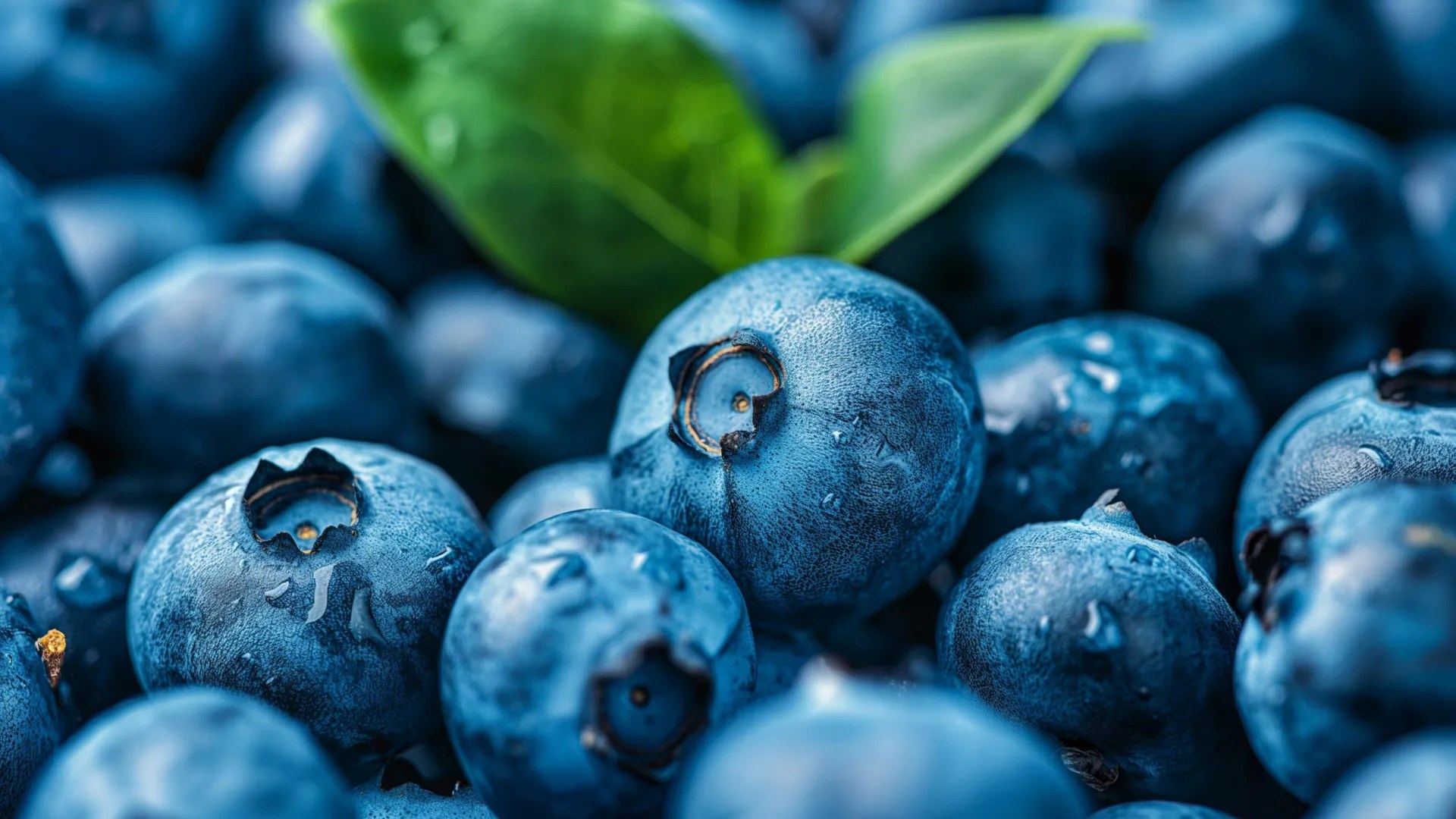
The connection between what we eat and how we feel has long fascinated researchers, but the mechanisms underlying this relationship remain largely mysterious. A new pilot study from the Hinda and Arthur Marcus Institute for Aging Research offers preliminary evidence that a simple dietary addition—blueberries—may influence both gut microbial function and mood in older adults. The research highlights an emerging field of investigation into the gut-brain axis, where microbial communities in our digestive system communicate with our central nervous system through complex biochemical pathways.
The study enrolled 18 adults aged 65 and older who were physically inactive and experiencing mild depressive symptoms. Using a randomized, placebo-controlled design, researchers assigned participants to consume either 48 grams of blueberry powder daily (equivalent to roughly two cups of fresh berries) or a matching placebo powder for three months. Participants completed validated mood questionnaires before and after the intervention, while researchers analyzed their gut microbiomes using advanced metagenomic sequencing techniques and measured short-chain fatty acids—compounds produced through microbial fermentation that play roles in brain health.
The findings revealed a nuanced picture. While participants in the blueberry group demonstrated a more consistent reduction in depressive symptoms compared to those taking placebo, this difference did not reach statistical significance—meaning it could have occurred by chance. However, researchers identified statistically significant changes within the blueberry group in the abundance of genes encoding specific gut microbial enzymes. Notably, they detected increased activity of polyamine-transporting ATPase (EC 3.6.3.31), an enzyme involved in producing gamma-aminobutyric acid (GABA), a neurotransmitter essential for calming brain signaling and reducing anxiety. This suggests that blueberries may exert targeted effects on microbial function even when overall microbiome composition remains stable.
For readers tracking health metrics through wearable devices and longevity apps, this research underscores an important principle: dietary interventions work through measurable biological pathways that can extend beyond what we immediately feel or observe. The polyphenols and fiber in blueberries—particularly anthocyanins—appear to selectively feed certain beneficial bacteria and modify their metabolic outputs, creating downstream effects on brain chemistry. If you monitor sleep quality, heart rate variability, or stress markers through your wearable, consuming nutrient-rich foods like blueberries represents a low-cost intervention that may support the biological systems generating these metrics. Over months, small improvements in microbial enzyme activity could theoretically accumulate into meaningful changes in mood regulation and sleep quality.
However, important caveats accompany these findings. The study was small, involving only 18 participants, and mood improvements in the blueberry group were not statistically significant compared to placebo, suggesting that individual responses vary considerably. The research cannot yet establish that blueberries cause mood improvements, only that they correlate with specific microbial changes that theoretically could influence mood. Larger, longer-term studies are necessary to determine whether the observed microbial shifts translate into clinically meaningful benefits and which populations might benefit most. Additionally, the study focused on sedentary older adults with mild depressive symptoms; results may differ in younger individuals, those with moderate-to-severe depression, or people with active exercise routines.
For those interested in supporting mental health and sleep quality through supplementation and diet, this research suggests that blueberries merit inclusion as part of a broader dietary pattern rather than as a standalone treatment. The combination of fiber, anthocyanins, and other bioactive compounds in blueberries appears to influence microbial communities in directions that correlate with mood-related outcomes, even if the effect sizes remain modest. As longevity research increasingly emphasizes the gut microbiome's role in aging, mental health, and sleep architecture, simple dietary strategies like regular blueberry consumption offer a practical entry point for self-directed health optimization. Tracking your mood, sleep patterns, and energy levels alongside consistent blueberry intake might reveal personal correlations worth exploring further with your healthcare provider.
Source: sciencedaily.com