6 Bone-Building Supplements: Evidence-Based Selection for Lifelong Skeletal Health
Bone health is foundational to longevity, yet many people unknowingly compromise skeletal integrity through poor nutrition and lifestyle choices. This guide reviews six evidence-backed supplements that support bone density, mineral absorption, and structural resilience—and explains how wearable tracking can help you monitor the lifestyle factors that matter most.
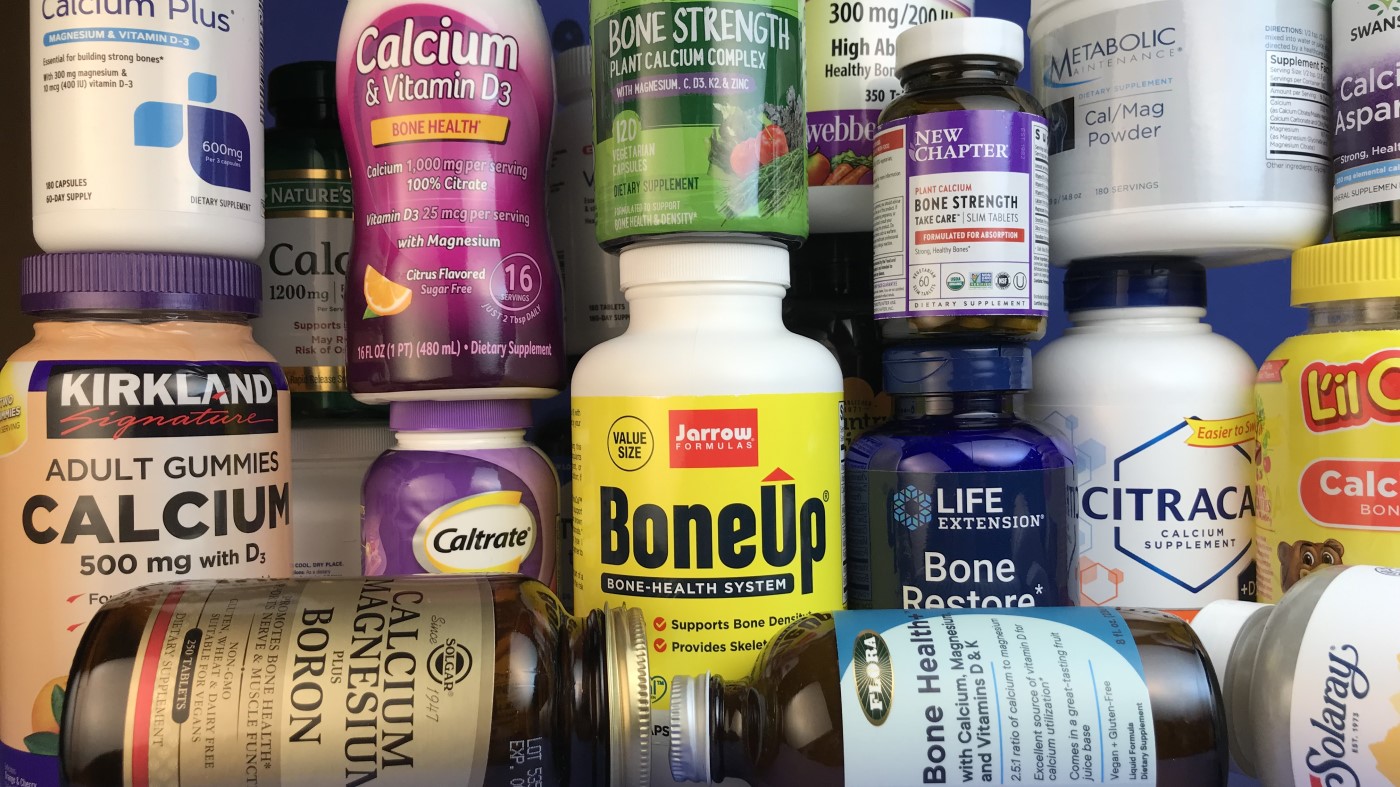
Bone is living tissue that constantly remodels itself, requiring a steady supply of minerals, vitamins, and cofactors to maintain density and prevent fractures. By age 30, most people reach peak bone mass; after that, bone loss gradually accelerates—especially in women after menopause and in men over 70. While genetics and physical activity are primary determinants of skeletal health, nutritional status plays a measurable role in slowing age-related bone loss. Six supplements have accumulated meaningful research evidence for bone support: calcium, vitamin D, magnesium, vitamin K2, strontium, and collagen peptides. Understanding which ones address your individual risk factors—and how to integrate them with movement tracking and sleep monitoring from your wearable—can help you build a sustainable bone health strategy.
Calcium remains the foundation of bone supplementation because it comprises roughly 99% of skeletal mineral content. Most people need 1,000–1,200 mg daily from food and supplements combined, though bioavailability varies by source and individual factors like stomach acid. Citrate forms absorb better than carbonate for many people, and splitting doses (500 mg twice daily rather than 1,200 mg once) improves uptake. Vitamin D3 (cholecalciferol) is equally essential: it regulates calcium absorption in the gut and modulates bone remodeling hormones. Research consistently shows that levels below 20 ng/mL are associated with increased fracture risk, while levels of 30–50 ng/mL correlate with better bone outcomes. Supplementation with 1,000–2,000 IU daily is common, though some individuals require higher doses depending on sun exposure, skin tone, and latitude. Your wearable's light and activity tracking can contextualize your natural vitamin D exposure over time.
Magnesium serves as a structural component of bone mineral and is required for proper vitamin D metabolism and bone enzyme function. Adults typically consume only 50–60% of the recommended daily intake (310–420 mg), making supplementation a practical consideration. Vitamin K2 (menaquinone) activates osteocalcin, a protein critical for bone mineralization and calcium regulation. Unlike K1 from leafy greens, K2 is less common in Western diets and shows promise in prospective studies for fracture prevention—particularly the MK-7 form derived from fermented foods. These four supplements (calcium, vitamin D, magnesium, and K2) form a synergistic foundation; they work together to improve mineral density and reduce turnover rates.
Strontium ranelate and collagen peptides represent emerging additions with growing clinical support. Strontium is a mineral that accumulates in bone and appears to simultaneously increase bone formation and reduce bone resorption—a dual mechanism distinct from other agents. It showed impressive fracture reduction in clinical trials but remains less widely used in North America than Europe. Collagen peptides (hydrolyzed collagen) supply amino acids and micronutrients that comprise the organic bone matrix; early studies suggest they may enhance bone mineral density when combined with exercise and adequate vitamin D. Importantly, collagen also supports joint cartilage, skin elasticity, and connective tissue resilience—making it valuable beyond bone alone.
The most effective approach integrates supplementation with behavioral factors your wearable can monitor. Strength training and weight-bearing exercise stimulate bone remodeling and should be tracked consistently; most research supports 150 minutes of moderate activity plus resistance work weekly. Sleep quality affects hormone levels that regulate bone turnover, so monitoring sleep duration and consistency is equally important. Dietary calcium intake, protein consumption, and alcohol moderation all influence bone health trajectories. Many wearable users overlook these lifestyle inputs, focusing only on steps or heart rate; bone health requires a more holistic view of movement quality, recovery, nutrition timing, and consistency.
Before starting any supplementation regimen, consider a few practical caveats. Supplement absorption varies based on stomach acid, concurrent medications, and food timing; calcium is best taken with food in divided doses, while vitamin D is fat-soluble and benefits from dietary fat. High-dose calcium supplementation may interfere with iron and certain medications, so spacing is important. Some people respond well to specific forms or combinations while others do not; individual factors like age, sex, existing bone density, medication profile, and genetic variants influence efficacy. Finally, supplements are not substitutes for adequate dietary intake when possible—whole foods provide additional micronutrients and phytocompounds that isolated supplements cannot replicate. A conversation with a healthcare provider or registered dietitian can help you prioritize which supplements address your specific risk profile and complement your wearable-tracked lifestyle interventions.
Source: GoodRx